GLP-1 receptor agonist medications, including semaglutide brands like Ozempic and Wegovy, have changed the conversation around weight management in Canada and around the world. For many people, these medications deliver meaningful reductions in appetite and body weight that were previously difficult to achieve through lifestyle changes alone.
But there is a significant problem that most people do not hear about when they start a GLP-1 medication, and it has major implications for their long-term health.
The weight you lose on a GLP-1 is not only fat. Without structured resistance training, a substantial portion of that weight loss comes from muscle mass. And losing muscle has consequences that extend well beyond how you look in the mirror.
At Soma Fit Club, we work with a growing number of members who are on GLP-1 medications and want to make sure they are protecting their investment, preserving muscle, improving body composition, and coming out of their weight loss journey stronger, not weaker.
Here is what you need to know.
What GLP-1 Medications Do and What They Do Not Do
GLP-1 agonists work primarily by mimicking a hormone that regulates appetite and blood sugar. They reduce hunger, slow gastric emptying, and help the body manage insulin more effectively. The result for many users is a meaningful caloric deficit maintained over weeks and months, which produces weight loss.
What these medications do not do is direct where that weight comes from. In studies examining body composition changes during GLP-1 use, participants lost significant amounts of lean muscle mass alongside fat. Some research has shown that up to 40 percent of total weight lost during GLP-1 treatment can come from lean tissue rather than fat.
Muscle mass is not just an aesthetic concern. It is directly tied to metabolic rate, functional strength, bone density, insulin sensitivity, and long-term independence. Losing a significant amount of muscle during a GLP-1 cycle means a slower metabolism when the medication ends, higher risk of weight regain, and reduced physical capability.
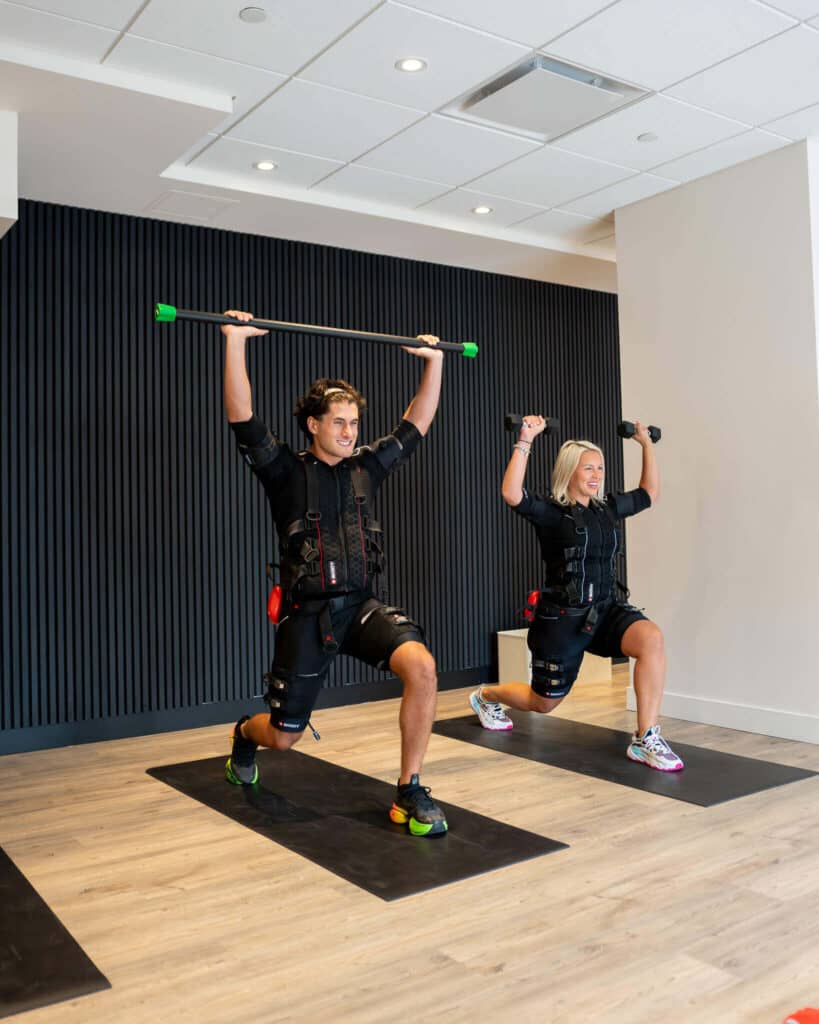
The solution to this problem is resistance training. Structured, progressive, consistent strength work signals to the body that its muscle is needed and worth preserving. Without that signal, the body has no reason to spare it during a caloric deficit.
Why EMS Training Is Particularly Well Suited for GLP-1 Users
People on GLP-1 medications often face a specific challenge when it comes to exercise. Reduced caloric intake means reduced energy availability. Many GLP-1 users experience fatigue, nausea, or gastrointestinal discomfort, particularly in the early months of treatment. Long, demanding workout sessions can feel genuinely difficult to complete.
This is exactly where EMS training at Soma Fit Club becomes an ideal fit.
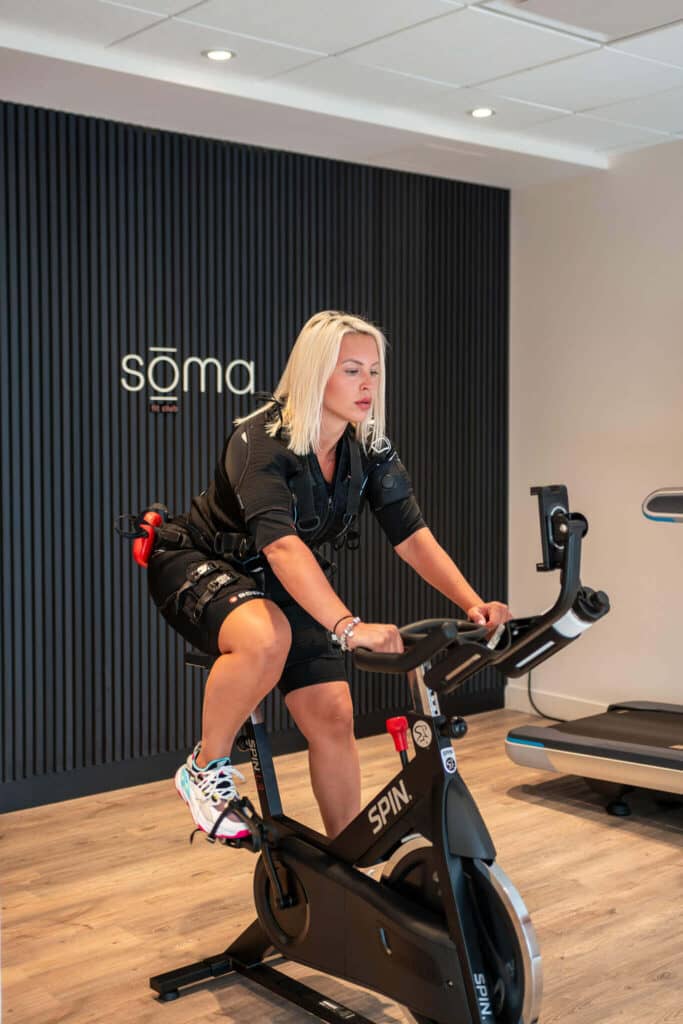
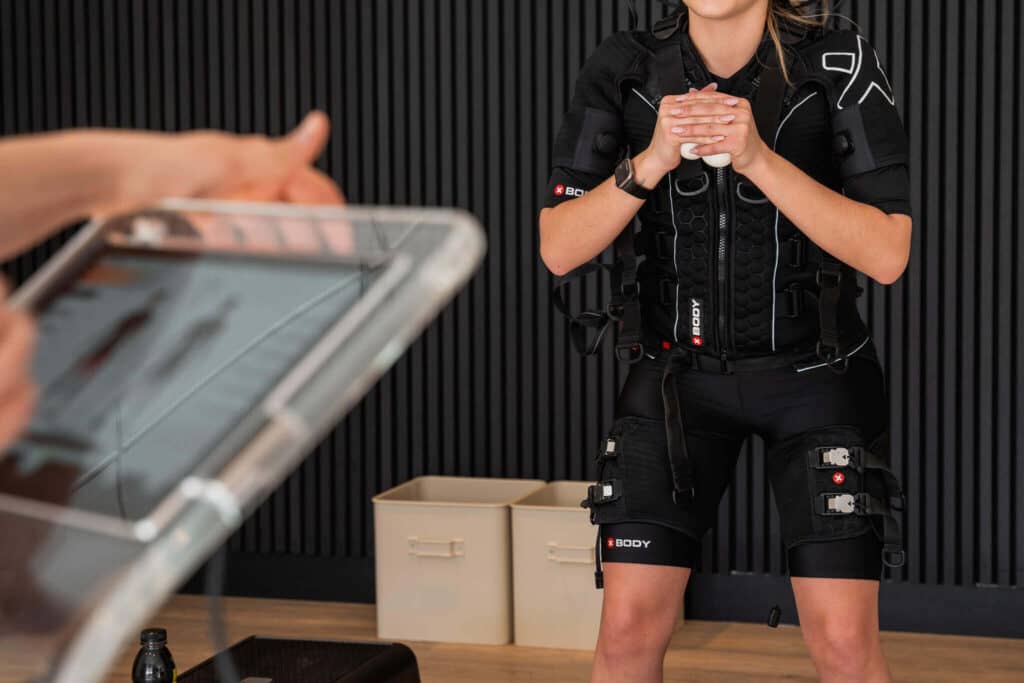
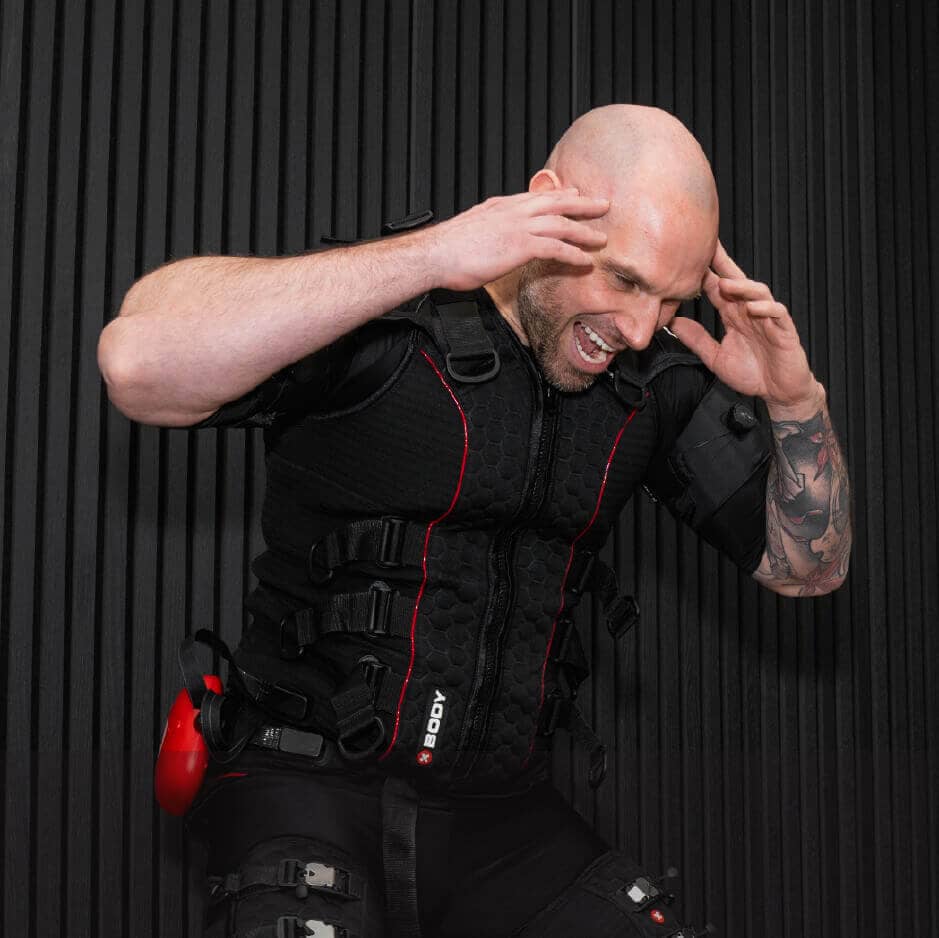
Because EMS activates a significantly higher percentage of muscle fibers than conventional training, a 20-minute session produces the strength stimulus your body needs to preserve lean tissue without requiring a high-calorie energy output or extended time on the gym floor. The training is effective, short, and calibrated to your current state by a trainer who adjusts intensity session by session.
If you are eating less, your body needs every workout to count. EMS training maximizes the return on every minute of effort.or guided, efficient, accountable training. Not access to equipment you have to figure out on your own.
What Happens to Your Body Composition With EMS Support
Members at Soma Fit Club who are using GLP-1 medications alongside EMS training are able to:
- Preserve and in many cases build lean muscle mass during their weight loss period
- Improve their overall body composition, losing fat while maintaining functional strength
- Maintain or increase resting metabolic rate, which supports sustained results after medication is reduced or stopped
- Build the physical fitness foundation that makes long-term weight maintenance more achievable
The goal of GLP-1 medication is not just a lower number on the scale. It is better health. EMS training is what ensures the number on the scale reflects genuine fat loss rather than the erosion of your physical capacity.
Practical Guidance for Training While on GLP-1
If you are currently taking a GLP-1 medication or planning to start, here is what we recommend:
Begin EMS training as early as possible in your GLP-1 journey, ideally concurrent with starting the medication rather than after you have already lost significant weight. The earlier you establish the resistance training stimulus, the more muscle you protect from the beginning.
Train three times per week following the Soma Fit Club formula: two strength sessions and one cardio session. This is the minimum effective dose for muscle preservation during a caloric deficit.
Communicate with your trainer about how you are feeling. GLP-1 side effects vary and can shift week to week, especially during dose adjustments. Your Soma Fit Club trainer will adjust intensity and session design to match your current capacity.
Maintain adequate protein intake. Your trainer or your prescribing physician can provide guidance on protein targets during weight loss. EMS training combined with sufficient protein is the most effective combination for preserving lean tissue on a GLP-1.
Transitioning Off GLP-1
One of the highest-risk phases for GLP-1 users is the period after reducing or stopping the medication. Without the appetite suppression, caloric intake tends to rise. If muscle mass has been depleted during the weight loss phase, the metabolic rate is lower, and weight regain becomes significantly more likely.
Members who have trained consistently at Soma Fit Club throughout their GLP-1 period are in a far stronger position at this stage. Their muscle mass is preserved or improved. Their metabolism is supported. Their fitness habit is established. And their body composition has genuinely changed, not just their weight.
EMS training is not a supplement to your GLP-1 medication. It is the foundation that makes the medication actually work for your long-term health.
Frequently Asked Questions: EMS Training and GLP-1 Medications
Is it safe to do EMS training while taking semaglutide?
Yes. EMS training is safe and appropriate for people taking GLP-1 medications. Inform your trainer that you are on the medication so they can account for any energy or tolerance fluctuations when calibrating your sessions.
How soon after starting GLP-1 medication should I begin EMS training?
As soon as possible. Starting EMS training concurrently with your medication gives your body the resistance training signal it needs to preserve muscle from day one of your weight loss journey.
Will EMS training affect how my GLP-1 medication works?
Exercise generally improves insulin sensitivity and metabolic health, which supports the mechanisms of GLP-1 medications. EMS training does not interfere with the medication. It enhances the overall outcome.
I feel fatigued from my GLP-1. Can I still train?
Yes, and this is where EMS training’s short session format is particularly valuable. Your trainer will adjust intensity based on how you feel. A 20-minute session can be completed effectively even on lower energy days, and the muscle stimulus remains meaningful.
Does Soma Fit Club have experience working with GLP-1 users?
Yes. Our trainers work with members across a range of health and wellness contexts, including those using weight management medications. Speak with your local Soma Fit Club team about your specific situation.
GLP-1 medications can start the change. EMS training at Soma Fit Club is what makes it last. Book your free trial session today.